
Compact Kit or Full Rig: Choosing How a Lone Reporter Works
A plain comparison of a stripped-back mobile setup and a fuller compact-camera kit for single-person crews, with a recommendation drawn from what we coach in the field.
6 min read
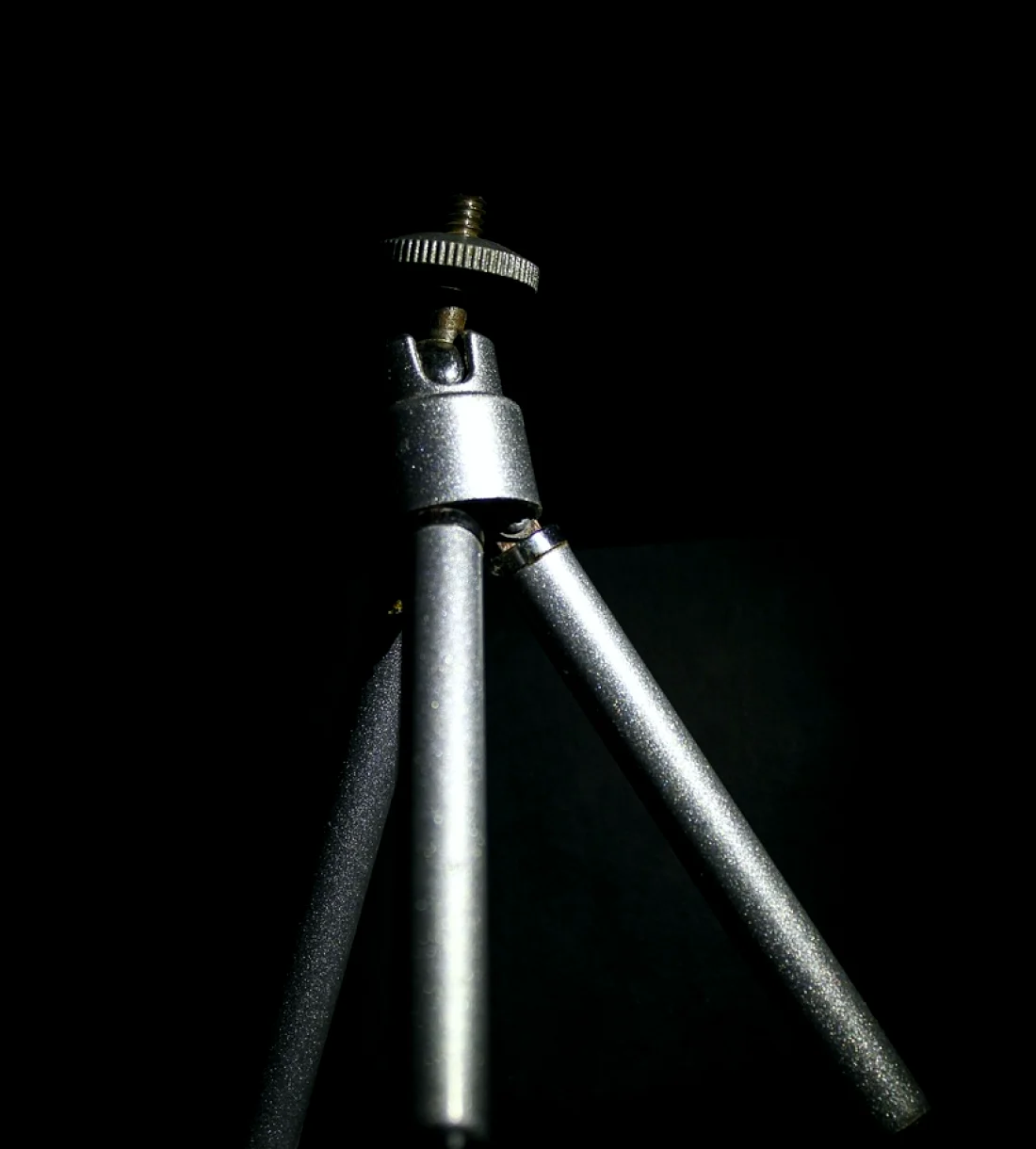
The two options on the table
Most single-person crews we coach end up choosing between two ways of working. The first is a stripped-back setup built around a phone or a very small camera, a lightweight support and one clip microphone. The second is a fuller compact kit: a dedicated camera with manual controls, a proper tripod, a handheld microphone and a second audio source, all carried in one bag.
Neither is wrong, and both have been used on real stories that reached air. The question is which one suits the way your newsroom actually sends people out. A reporter covering a council meeting on foot has different needs from one who drives to a flood and may stand in the same spot for three hours.
This piece sets the two side by side, says where each one earns its place and ends with a recommendation. It comes from the coaching sessions we run for crews of one, where kit choices are tested against real deadlines rather than a spec sheet.
What the stripped-back setup does well
The light option is quick. A reporter can step out of a car, clip a microphone on a contributor and be recording within a minute or two. For a doorstep interview or a fast piece to camera, that speed matters more than anything a larger rig can add, because the moment often does not wait.
It is also easy to carry on public transport, through crowds and into places where a large camera draws attention or a refusal. Contributors tend to relax when the equipment looks modest, and that can make for a more natural interview.
The cost is control. Small sensors struggle in poor light, automatic settings can hunt for focus or shift exposure mid-answer, and a phone's built-in microphone is a poor substitute for a clip. With a little coaching on locking exposure and managing audio, many of these weaknesses can be handled, but they never fully go away.
- Fast to deploy and easy to carry
- Less intimidating for contributors
- Weaker in low light
- Needs discipline over audio and exposure
What the fuller compact kit adds
A dedicated compact camera on a fluid-head tripod gives a steadier frame, manual control over exposure and focus, and a lens that copes with changing light. For a story that needs a clean interview, cutaways and a piece to camera from the same spot, that control pays for itself in the edit, where Tom spends much less time rescuing footage.
Audio improves most. A handheld or clip microphone feeding the camera directly, with a second source as backup, protects the one thing viewers will not forgive when it goes wrong. A tripod also frees the reporter to listen rather than hold the shot.
The price is setup time and weight. Levelling a tripod, checking levels and framing take several minutes, and a bag of this size is tiring over a long day. Alone, a reporter must also decide what to leave behind, because carrying everything is not the same as using it well.
- Steadier shots and cleaner interviews
- Manual control over exposure and focus
- Better audio with a backup source
- Slower setup and a heavier bag
Where each setup tends to fail
The light setup fails most often on sound and light. A reporter records a strong interview beside a busy road, and the wind noise or traffic makes it unusable. Or they shoot against a bright window and the contributor becomes a silhouette. These are habit problems as much as equipment problems, and they repeat until someone points them out.
The fuller kit fails on time. A reporter spends so long arranging the shot that the contributor leaves, the speech ends or the scene changes. We also see kit carried and never used, with a second microphone still in its pouch at the end of the day.
In both cases the failure is rarely the camera. It is a mismatch between the kit and the job, or between the kit and the person using it. That is why we start coaching with the reporter's usual assignments rather than with a shopping list.
How to decide for your own crews
Start with the stories. If most of your single-person output is short, reactive and close to base, the lighter setup with a good clip microphone and a compact support will serve you well. If your reporters spend long periods on location and produce packages with interviews and cutaways, the fuller kit is the safer choice.
Then look at who is carrying it. A confident shooter with an eye for exposure gets more from manual control than a newcomer who is still learning to frame. A crew that rarely uses a tripod is not helped by being handed a heavier one.
Finally, test before committing. Give each option to a reporter for a week of ordinary assignments and ask the editor which footage was easier to cut. The answer is usually clear and rarely depends on the brand on the camera body.
- Match the kit to the usual story length
- Match it to the confidence of the person carrying it
- Trial each option on ordinary assignments
Our recommendation
For most single-person crews we coach, we recommend the fuller compact kit, trimmed down. That means one camera with manual control, a sturdy but light tripod, a clip microphone and a handheld as backup, and nothing else. Leave the extras at base until a job calls for them.
The lighter setup still has a place as a second option kept in the car or the bag for moments when speed beats polish. Reporters who can work either way are the most useful, because they choose by the story rather than by habit.
Coaching helps here because it shortens the learning curve on whichever you choose. We work through setup order, audio checks and framing until the routine is quick enough that the better kit no longer costs you the shot.
The choice between a light mobile setup and a compact rig is really a choice about the stories you send people to cover and the habits they bring. Trim the fuller kit to what you will use, keep a lighter option for fast moments, and practise both until setup is routine. That is what our field kit coaching is built around, and it works best when it starts from your own assignments.
Tom Pritchard
Senior EditorTom cuts and packages news items to broadcast standards, keeping quality high under time pressure.