
Six Kit Mistakes Single-Person News Crews Make and How to Avoid Them
Working alone in the field, small errors with tripod, microphone and camera settings cost whole stories. Here is what we see most often in coaching sessions, and the habits that prevent it.
6 min read
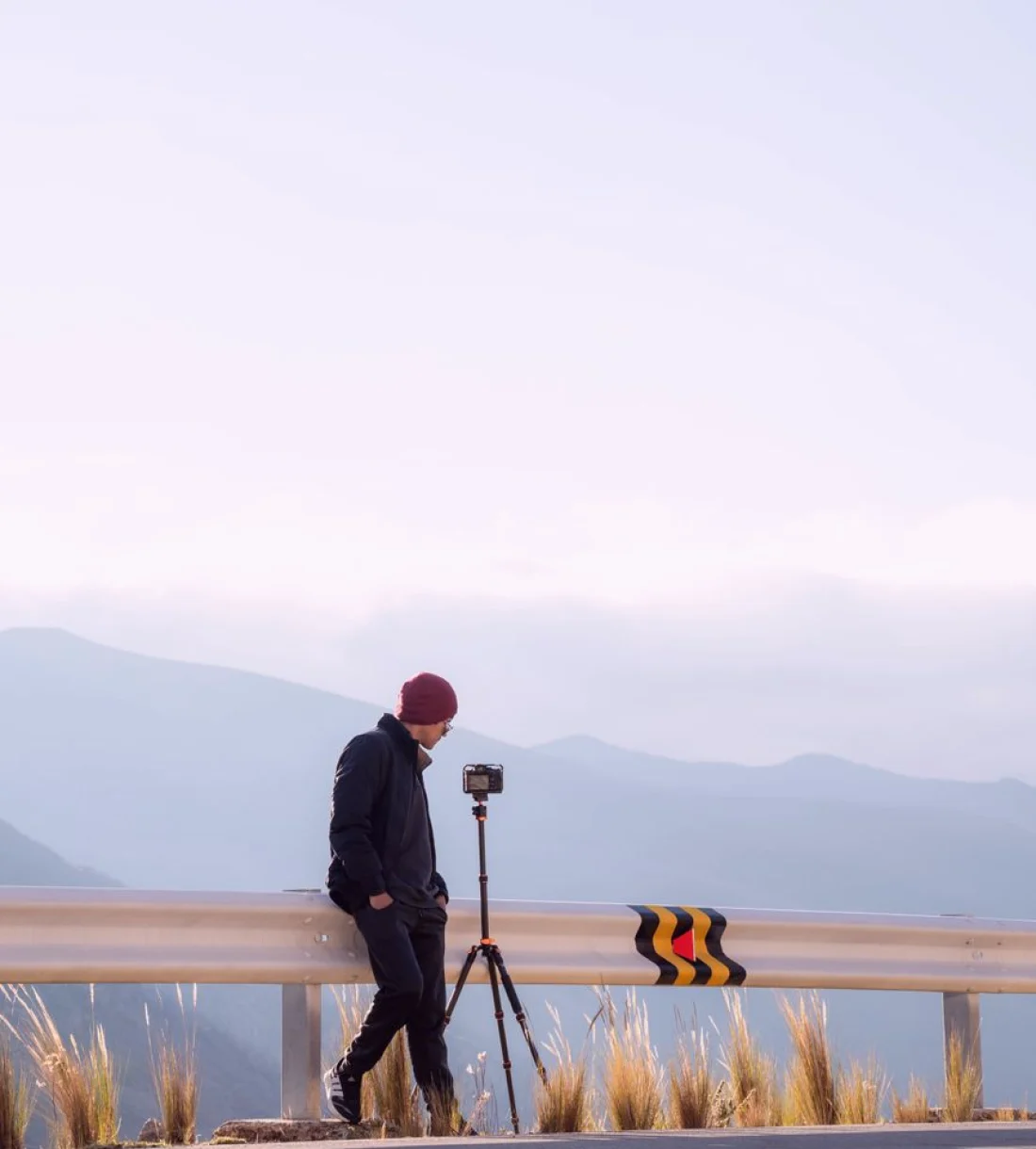
Why the kit is rarely the real problem
When a one-person crew comes back with unusable material, the first instinct is to blame the equipment. In coaching sessions we find the opposite most of the time. The camera, tripod and microphone were perfectly capable; the way they were set up, checked and carried was not. A compact kit puts every decision on one pair of hands, and tired hands skip steps.
I have sat in edit suites watching footage that was sharp, well framed and completely spoiled by a microphone left on the wrong input. Nobody noticed on location because the monitoring was never checked. That kind of error is cheap to prevent and very expensive to discover at the end of a long shift.
This note goes through the mistakes we meet most often in Field Reporting Kit Coaching, with a plain way to avoid each. None of it needs new equipment. It needs a routine you can repeat when the story is moving and nobody is waiting for you to get it right.
Mistake one: trusting the camera's automatic settings
Automatic exposure and focus are tempting when you are alone and the scene is changing. The trouble is that a compact camera will hunt for focus when someone walks through the frame and will shift exposure as clouds pass, leaving shots that pump and drift. Those shots are hard to cut together and obvious on a broadcast screen.
Learn the manual controls on your own camera well enough to use them without looking. Lock exposure once you have framed the interview, set focus on the eyes, and leave it. For moving scenes, decide the aperture and shutter speed before you start rolling, not while you are filming.
Practise on the street outside your office until it feels dull. The point is that when a real story breaks you are not reading a menu with the clock running.
- Lock exposure and white balance before the interview starts
- Focus on the eyes, then switch autofocus off
- Check the result on a zoomed-in preview
Mistake two: leaving audio until last
Viewers forgive a slightly soft picture far more readily than muffled or noisy sound. Yet single-person crews often spend their setup time on the tripod and framing, then clip a microphone on in a hurry. Wind, traffic and room echo are the usual culprits, and none of them can be repaired fully afterwards.
Put audio first. Wear headphones every time, not only when you suspect a problem. Place the microphone close to the speaker, ideally within a hand's width of the mouth for a handheld or on the chest for a clip-on, and listen for a few seconds of ordinary speech before you press record.
Record a few seconds of room tone at each location. Editors use it to smooth cuts, and it costs you nothing but a moment of quiet at the end of the interview.
- Headphones on for the whole shoot
- Microphone as close to the mouth as practical
- Always capture ten seconds of room tone
Mistake three: an unsteady, rushed tripod setup
A tripod set up in a hurry is a common reason for drifting horizons and wobbly pans. Crews often leave the legs at uneven heights on a slope, rely on the bubble level without looking at it, or tighten the head only halfway. The shot looks fine until it is on a large monitor.
Make a short, fixed sequence: legs out and locked, level checked, head tightened, camera seated and clicked in, then framing. Do it in that order every time and it becomes automatic. If you must work on uneven ground, shorten the leg on the uphill side rather than trying to compensate with the head.
Keep the tripod low for interviews if the subject is seated, so you shoot at eye level instead of looking down. Small choices like this change how an interview feels on screen.
Mistake four: forgetting power, cards and spares
Few things end a shoot faster than a flat battery or a full memory card. Single-person crews carry everything themselves, so the temptation is to pack light, and spares are the first thing to be left behind. A breaking story rarely lets you return to base for a charger.
Build a pocket checklist and use it before leaving, not in the car. Batteries charged the night before, cards formatted in the camera, a spare of each, and a small power bank for the microphone receiver. Label cards so used and unused ones never get mixed up.
At the end of each location, check that the last clip actually recorded before you pack away. It takes a few seconds and has saved more than one report in our coaching rooms.
- Two charged batteries as a minimum
- Cards formatted and labelled before you leave
- Spare microphone batteries in a separate pocket
Mistakes five and six: no backup plan and no shot list
The fifth mistake is trusting a single recording of a one-off event. If the main microphone fails, a second source, even the camera's built-in microphone at low level, gives your editor something to work with. Cover important moments twice where you can, from different angles or with different audio.
The sixth is arriving without a plan for the pictures. Working alone, you cannot easily return for a missing shot. Write a short list before you go: a wide establishing shot, the speaker, two or three cutaways of hands, signs or surroundings, and a closing shot. Tick them off as you go.
Both habits cost almost nothing and give your editor a story that cuts together without guesswork, which matters most when the news cycle leaves little time to patch gaps.
Most of these problems are habits, not equipment limits, and habits can be changed with practice. Pick two from this list and make them part of your next three shoots until they feel automatic. Then add another. In coaching we work through the routine with your own kit, so the checks become second nature before the pressure of a live story arrives.
Tom Pritchard
Senior EditorTom cuts and packages news items to broadcast standards, keeping quality high under time pressure.