
What a Camera Technique Workshop Costs and What Moves the Price
A plain look at how camera technique workshops are priced for newsroom teams and students: the choices that raise or lower the figure, and what to settle before asking for a quotation.
5 min read
Start with what the workshop covers
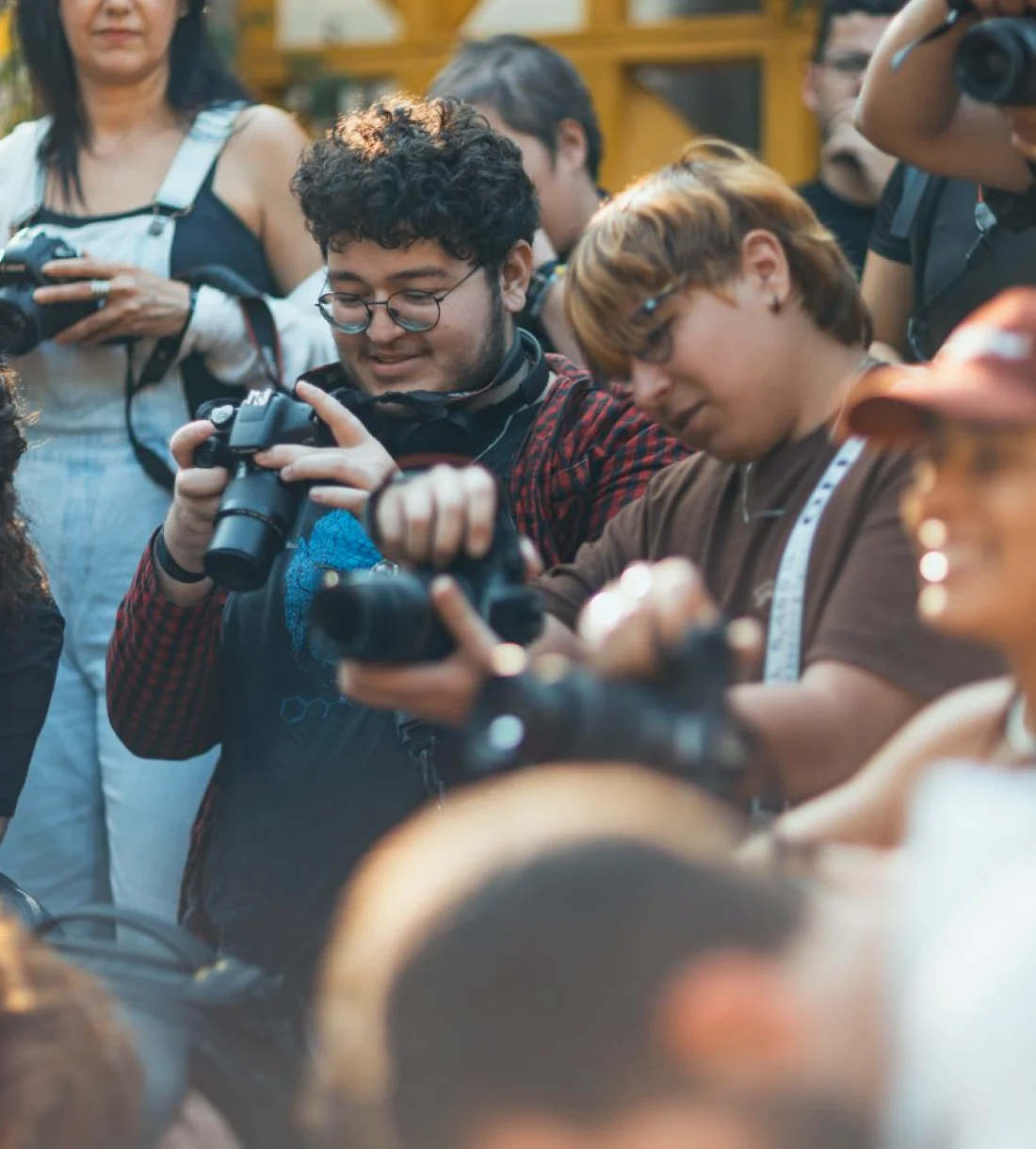
Our camera technique workshops are hands-on classroom sessions on framing, lighting and audio for live and breaking stories. That scope shapes the price more than any other single factor. A session built around one skill, such as getting clean sound in a noisy street, is shorter and cheaper to prepare than a full day that moves from framing through lighting to audio.
When someone asks me what a workshop costs, I ask what the crew struggles with on real jobs. Some teams shoot decent pictures but lose stories to poor audio. Others light a studio well and fall apart in a car park at dusk. Naming the weak spot lets us plan a session that spends time where it matters, rather than touring every topic lightly.
The written quotation lists what is included, so you can compare it with what you actually need.
- One focused skill or a mixed day
- Live shooting practice or demonstration only
- Whether lighting and audio are both included
Group size and the number of cameras
A workshop works because people handle the equipment themselves, so the number of participants changes how we run the room. A small group of four or five can share a couple of cameras and each person gets repeated turns. A larger group needs more kit, more space and often a second trainer to watch every pair at work.
This is why the price does not simply multiply by head count. Going from six to twelve people may need extra cameras, extra tripods and extra microphones, and each of those has to be checked and packed. Going from three to six usually needs very little more. We say clearly in the quotation how many people a given figure assumes.
If your group is large, splitting it across two shorter sessions is sometimes the better route, both for learning and for cost.
Where the session takes place
We can teach in our Taunton premises or come to your newsroom or college. Teaching here keeps travel out of the figure and lets us use the kit already set up. Coming to you adds travel time and the carrying of equipment, and that appears as a separate line so you can see it.
Teaching at your own site has real benefits. Participants practise in the rooms and corridors where they will actually film, with the lighting and noise they already know. For a news team that is often worth the extra, because the lessons transfer straight back to the working day.
Distance matters too. A site a short drive away costs far less to reach than one needing an overnight stay, and we will tell you which side of that line you fall on.
- Our Taunton premises
- Your newsroom or college
- Travel and equipment carriage shown separately
Length of the day and time to prepare
Most of the price is the trainer's time, and that includes preparation as well as the hours in the room. A half day for beginners using standard exercises needs little tailoring. A full day built around your own broadcast style, your usual camera models and the kind of stories you chase takes noticeably more planning.
I would rather the preparation was spent well than skipped. If you can send a few examples of recent footage that gave trouble, the session can be pitched at the real problems. That small act often makes a shorter workshop more useful than a longer generic one.
Repeat sessions for the same team are easier to plan, because we already know the starting point and can build on it.
Kit, materials and what you may need to bring
We usually supply the cameras, tripods, microphones and lights used in the exercises, and that provision sits inside the price. If your crew will work on its own equipment in future, though, it can be better to train on that very kit. Bringing your own cameras lowers what we need to supply but asks us to learn your models beforehand.
Printed notes and short exercise sheets are included so that people leave with something to revisit. We keep these plain and practical, covering the points that came up in the room rather than a long manual nobody reads.
If you want us to look at your existing kit and advise on what to buy, say so when you enquire, because it affects how the day is planned.
- Our kit or yours
- Exercise sheets and notes
- Advice on existing equipment
How to get a figure that holds
The way to a reliable price is a short conversation. Use the contact page to tell us who the participants are, how many, what they shoot, where you would like the session held and roughly how long you have. We reply with a written quotation setting out what the figure includes and what would change it.
Once you confirm in writing, we arrange the date and send an invoice, payable by bank transfer. Cancellations and refunds follow the payment and refund policy, which is worth reading before you commit.
Nothing is charged until you have agreed the written quotation, so asking costs you nothing and often clears up what you really need.
The cost of a camera technique workshop comes down to a few honest questions: what skills, how many people, where, for how long and on whose kit. Answer those and the figure follows without surprises. If you are unsure, describe the stories your crew finds hardest to shoot and we will suggest a session to match, with the quotation spelling out exactly what you are paying for.
Tom Pritchard
Senior EditorTom cuts and packages news items to broadcast standards, keeping quality high under time pressure.